
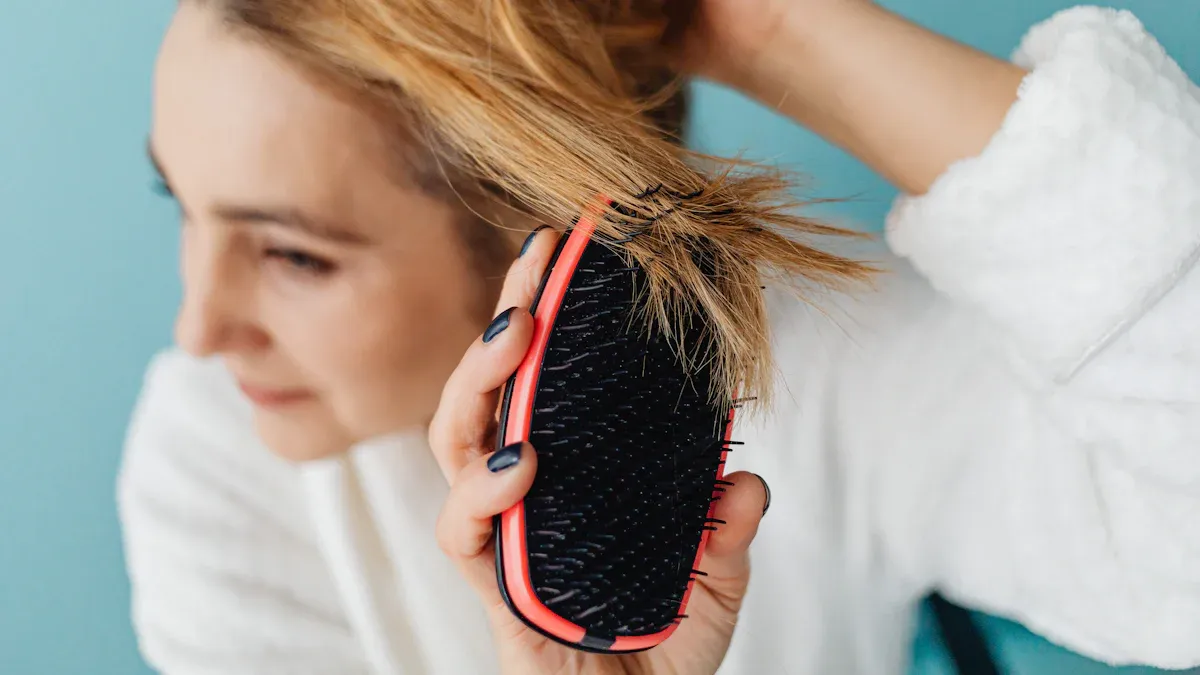
Image Source: pexels
When you look for a good brush, you want something that feels great in your hand and works well with your hair. Your hair type, how long it is, and even your daily routine can change what brush fits you best. Some brushes glide through fine strands, while others handle thick or curly hair with ease. Choosing the right brush can help you avoid breakage and keep your hair looking healthy. Take your time and try a few types. You might be surprised by how much the right brush can change your hair game!
Key Takeaways
- Pick a brush that matches your hair type and what style you want. This helps keep your hair healthy and nice.
- Soft bristles are best for fine or damaged hair. Firm bristles help untangle thick or curly hair without hurting it.
- Brush shapes make different looks. Paddle brushes make hair smooth. Round brushes give more volume. Ceramic brushes help stop frizz.
- Brush your hair gently. Start at the ends and move up. This stops breakage and pain.
- Clean your brush often. Get a new one when the bristles wear out. This keeps your scalp and hair healthy.
What Makes a Good Brush
Bristle Types
When you pick a good brush, the bristles matter a lot. You might see brushes with boar, nylon, or mixed bristles. Each type helps your hair in different ways.
- Boar bristles gently massage your scalp. This boosts blood flow and helps unclog hair follicles, which can help your hair grow.
- These bristles spread your scalp’s natural oils down each strand. Your hair gets a natural shine and feels softer.
- Boar bristles also trap dirt and oil, cleaning your hair as you brush.
- They help seal split ends and fight frizz by coating your hair with natural oils.
- You can use a boar bristle brush to add volume or smooth your hair without heat.
- Nylon bristles work well for detangling, especially if you have thick or curly hair. They glide through knots without pulling too much.
- Mixed bristle brushes combine the best of both worlds. You get the gentle touch of boar and the strength of nylon.
Tip: If your scalp feels sensitive or your hair is fine, go for softer bristles. They protect your scalp and keep your hair from breaking.
Brush Shapes
The shape of your brush changes how your hair looks and feels. Here’s a quick guide to help you choose:
| Brush Type | Styling Outcome | User Satisfaction | Key Features and Benefits |
|---|---|---|---|
| Paddle Brushes | Smooth, straight, shiny hair | 90% | Wide base, flexible bristles, spread oils, reduce frizz, detangle, great for sleek looks |
| Round Brushes | Volume, bounce, curls | Highly praised | Adds curls and volume, ceramic coating for even heat, helps with blowouts |
| Ceramic Brushes | Smoothness, shine, less static | 85% | Even heat, faster styling, less frizz, keeps hair moist |
Paddle brushes make your hair shiny and easy to manage. If you want curls or more volume, round brushes are your friend. Ceramic brushes help you dry your hair faster and keep it smooth.
Note: Ergonomic handles make brushing easier and more comfortable, especially if you style your hair often.
Materials
The material of your brush affects how it feels and works. You’ll find brushes made from plastic, wood, ceramic, or even metal. Each one has its own perks.
- Softer bristles are perfect for sensitive scalps and fine hair. They give a gentle massage and help avoid breakage.
- Firmer bristles work better for thick hair. They can handle more pressure and help spread oils from your scalp.
- Silicone bristles are soft and flexible. They work well for fragile or curly hair because they don’t pull or snag.
- Ceramic brushes heat up quickly and help you style your hair faster. They also fight frizz and keep your hair shiny.
A good brush matches your hair’s needs. If your scalp is delicate, pick a brush with soft, flexible bristles. If your hair is thick, firmer bristles or a sturdy paddle brush will help you get through tangles.
Remember: The right brush can make your hair softer, shinier, and easier to style. Try a few types to see what feels best for you.
Brush Types by Hair
Fine Hair
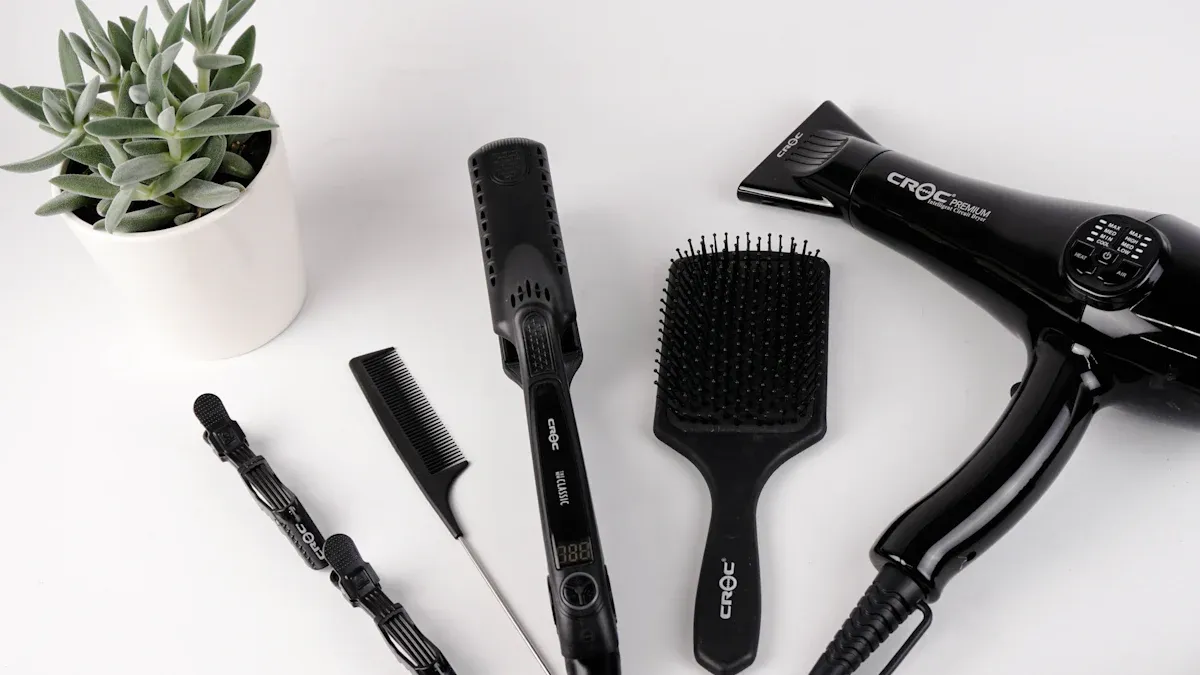
If you have fine hair, you know it can tangle easily and break with rough brushing. You want a brush that treats your hair gently and helps it look shiny. Experts say soft, flexible bristles work best for fine hair. Boar bristle brushes are a top pick because they spread your scalp’s natural oils and add shine without pulling. Detangling brushes, like the Wet Brush, glide through knots and help prevent breakage, especially when your hair is wet.
- Soft bristles protect your scalp and reduce hair breakage.
- Boar bristle brushes boost shine and keep your hair healthy.
- Detangling brushes work well on wet hair and help avoid pulling.
- Start brushing at the ends and move up to avoid damage.
- Clean your brush often to stop oil buildup.
Here’s a quick look at some popular brush brands for fine hair:
| Brush Brand | Why Stylists Recommend It for Fine Hair |
|---|---|
| Wet Brush | Soft bristles prevent breakage and work well in the shower. |
| Moroccanoil Boar Bristle | Adds shine and smooths hair for ponytails and updos. |
| Mason Pearson | Mixes boar and nylon bristles for shine and gentle brushing. |
| Crown Affair’s The Comb No. 001 | Wide teeth detangle gently and add volume. |
Tip: Don’t over-brush fine hair. Too much brushing can cause frizz and breakage.
Thick Hair
Thick hair can feel heavy and tough to manage, especially when it tangles. You need a brush that can handle more hair at once and glide through knots without pulling. Nylon bristle brushes work well for thick hair because they are strong and flexible. Paddle brushes with firm bristles help you detangle and smooth your hair quickly.
- Nylon bristles move through thick hair and untangle knots.
- Paddle brushes cover more hair, making brushing faster.
- Mixed bristle brushes combine strength and shine for thick hair.
- Look for brushes with sturdy handles for better control.
Some brands you might like for thick hair include Olivia Garden and Mason Pearson. Olivia Garden’s paddle brushes have firm bristles that work well for thick strands. Mason Pearson’s mixed bristle brushes give you both shine and detangling power.
Note: If your hair is very thick, brush in sections. This makes detangling easier and less painful.
Curly Hair
Curly hair needs special care to keep curls defined and frizz-free. You want a brush that detangles without breaking up your curl pattern. Brushes with flexible nylon bristles or a mix of boar and nylon bristles work well. The Denman brush is a favorite for curly hair because it defines curls and spreads product evenly.
| Brush Type | Features for Curly Hair |
|---|---|
| Nylon Bristle Brush | Flexible, reduces frizz, detangles gently. |
| Denman Brush | Defines curls, detangles, spreads product from root to tip. |
| Wide-Toothed Comb | Gently detangles wet curls, keeps curl shape. |
| Mixed Bristles Brush | Adds shine and tension, great for frizzy curls. |
- Curly hair brushes have flexible bristles and comfy handles.
- Soft bristles suit fine curls, while stiffer bristles work for thick curls.
- Round brushes help shape curls, and paddle brushes smooth and detangle.
- Eunoia Selects offers many curly hair brushes in fun colors and styles.
Tip: Always brush curly hair when it’s wet and has conditioner in it. This helps keep your curls bouncy and frizz-free.
Damaged Hair
If your hair feels weak, dry, or breaks easily, you need a gentle touch. A good brush for damaged hair has soft, flexible bristles that won’t pull or snag. Boar bristle brushes are gentle and help spread natural oils, which can make your hair look healthier. Detangling brushes, like the Wet Brush, are also a smart choice because they glide through knots without causing more damage.
- Soft bristles protect fragile hair and soothe your scalp.
- Boar bristle brushes add shine and help repair split ends.
- Detangling brushes work well on wet, damaged hair.
- Avoid metal bristles, which can make damage worse.
Popular brands for damaged hair include Wet Brush and Mason Pearson. Both offer brushes that treat your hair with care and help you avoid more breakage.
Remember: Be gentle when brushing damaged hair. Start at the ends and work your way up to keep your hair strong and healthy.
Choosing a Brush
Assess Hair Needs
Before you pick a good brush, take a moment to look at your hair. Ask yourself a few questions. Is your hair fine, thick, curly, or straight? Do you want to add volume, smooth your hair, or just detangle it? Hair care pros look at these things:
- Hair length: Short, medium, or long.
- Hair thickness: Fine, medium, or thick.
- Hair type: Straight, wavy, or curly.
- Styling goals: Do you want curls, root lift, or smooth hair?
- How you style: Do you use a blow dryer or let your hair air dry?
You can also think about how much time you spend on your hair each day. If you like quick styles, you might want a brush that works fast and easy.
Match Features
Now, match your hair needs to the right brush features. Here’s a simple table to help you:
| Hair Type/Goal | Brush Type | Why It Works |
|---|---|---|
| Fine or short hair | Small round brush | Adds body, creates small curls |
| Medium/thick hair | Medium round brush | Lifts roots, shapes hair |
| Long/thick hair | Large round/paddle | Detangles, smooths, prevents tangles |
| Curly/tangled hair | Detangling brush | Gentle, reduces breakage |
| Shine and smoothness | Boar bristle brush | Spreads oils, boosts shine |
Tip: Lightweight, sturdy brushes feel better in your hand and last longer. If you use heat tools, pick a heat-resistant brush.
Step-by-Step Guide
Ready to choose? Follow these steps:
1. Figure out your hair type and what you want from your brush (detangle, add volume, shine). 2. Pick a brush that matches your needs: – Paddle brush for easy detangling and smoothing. – Round brush for volume and curls (choose size for curl tightness). – Detangling brush for curly or knotty hair. – Boar bristle brush for shine and smooth hair. – Teasing brush for extra volume or updos. 3. Remember, the wrong brush can cause breakage or frizz. Take your time and try a few options. 4. If you feel unsure, ask your stylist for advice. They can help you find the best match for your hair.
A good brush makes a big difference. When you match your brush to your hair, you get better results and healthier hair.
Top Good Brush Picks
It can be hard to pick a good brush because there are so many choices. To help you, here are some top brushes for different needs. You can find one that fits your hair and makes brushing easier.
Best Overall
The Wet Brush Original Detangler is a great choice for most people. You can use it on both wet and dry hair. Its IntelliFlex bristles bend and move, so it goes through tangles without hurting or breaking hair. This brush is light and works for straight, wavy, curly, and coily hair. Many parents use it for their kids, and hair stylists like it too. You will see less hair breakage and more shine after using this brush.
- Goes through knots easily
- Easy to hold
- Good for all hair types
- Helps hair stay healthy and shiny
Best for Detangling
Detangling hair can be hard, but the right brush helps a lot. Here are some favorites:
| Brush Name | Key Features & Benefits | Hair Type | Tester/User Feedback Highlights |
|---|---|---|---|
| Wet Brush Original Detangler | Great at detangling, comfy, easy to hold, nylon IntelliFlex bristles, works on wet and dry hair | All hair types | People liked how it detangles; those with curly and fine hair said it works well and feels nice |
| Drybar Super Lemon Drop Brush | Easy to hold, flexible nylon bristles, no-slip grip, gentle on scalp, works on wet and dry hair | All hair types | Testers said it detangles fast and gently; grip is comfy; good for sensitive scalps |
| FHI Heat UNbrush Detangling Brush | Light, easy to travel with, DuoFlex anti-static bristles, works on wet and dry hair | All hair types | Detangles well but some worry about how long it lasts; light weight is good for travel |
| Pattern by Tracee Ellis Ross Brush | Waterproof nylon bristles, easy to hold, made for curly/coily hair, best when wet | Curly/coily hair (3A-4C) | Detangles thick, coily hair easily; people like how strong it is, works well in the shower |
| Mane Ready or Knot Detangling Brush | Metal bristles, paddle shape, strong, good for tough knots, works on wet and dry hair | Straight, wavy, curly, coily | Works well on hard knots; metal bristles are strong; some say handle is a bit slippery but still strong |
Experts say soft, smooth bristles without ball tips help stop breakage. Paddle brushes are good for long or thick hair. Oval or rectangle brushes work for other hair types.
Best for Blow-Drying
You need a brush that helps you style fast and keeps hair smooth. Round brushes with ceramic barrels are best for blow-drying. They heat up fast and help shape your hair. Olivia Garden’s Ceramic + Ion Round Brush is a top pick. It gives your hair more volume, fights frizz, and adds shine. The handle is comfy, so your hand does not get tired while styling.
- Dries hair faster
- Adds bounce and volume
- Cuts down on static and frizz
Best for Sensitive Scalps
If your scalp is tender, you need a gentle brush. Brushes with soft, bendy silicone bristles are best. They give your scalp a soft massage and help clean off buildup without scratching. Many people with sensitive scalps like scalp massager brushes. These brushes help blood flow and spread natural oils, which keeps your scalp healthy.
- Soft silicone bristles feel gentle
- Helps clean off product buildup
- Helps your scalp and hair grow healthy
Tip: Move these brushes in gentle circles to avoid hurting your scalp and enjoy a nice massage.
Brush Care Tips
How to Use
You get the best results from your brush when you use the right technique. Each brush works a little differently. Here’s a quick guide to help you out:
| Brush/Comb Type | Best For | Purpose/Effect | How to Use |
|---|---|---|---|
| Wide-tooth comb | All hair types | Detangling, spreading product | Hold lightly and run through your hair to remove tangles or spread conditioner evenly. |
| Rattail comb | All hair types | Parting, teasing, smoothing | Use the thin handle to part hair. Use the comb side to tease or smooth small sections. |
| Pick comb (hair pick) | Curly and coily hair | Lifting curls, adding volume | Gently lift hair from the roots when dry and moisturized for more shape and fullness. |
Tip: Always start brushing at the ends and work your way up. This helps you avoid breakage and pain.
Cleaning
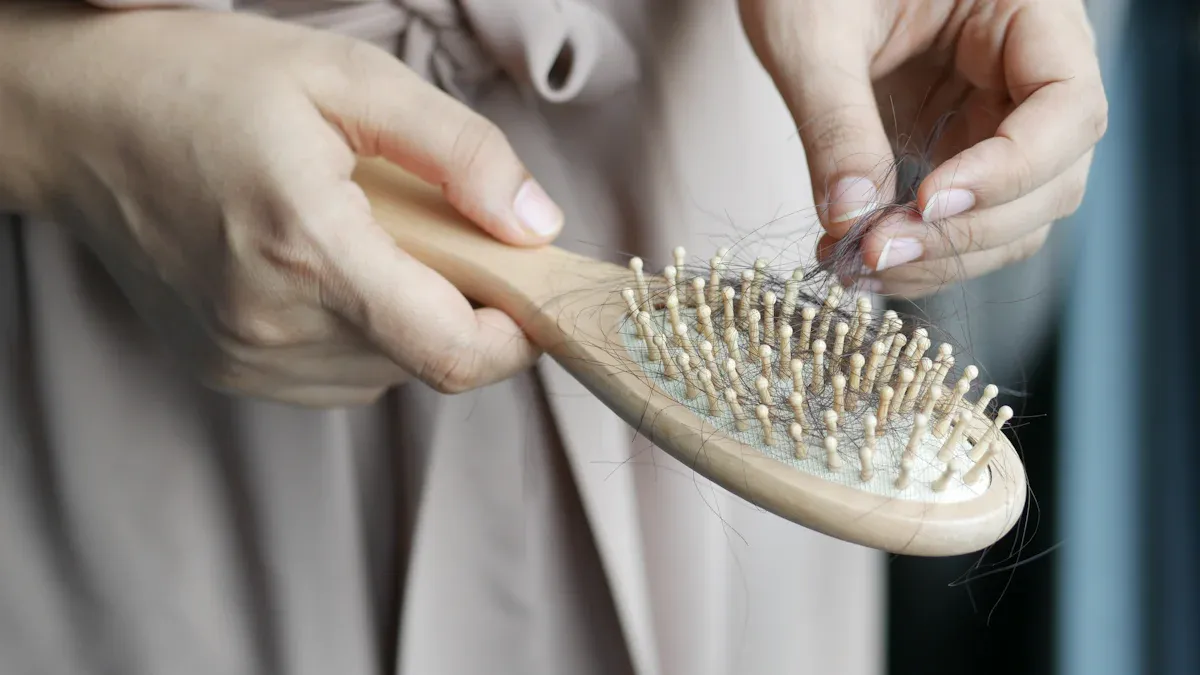
Keeping your brush clean helps your hair stay healthy. Dirt, oil, and old hair can build up fast. Here’s how you can clean your brush at home:
- Pull out loose hair with your fingers or a wide-tooth comb.
- Mix warm water with a little shampoo or gentle soap.
- Dip just the bristles in the solution. Don’t soak wooden handles.
- Use an old toothbrush to scrub between the bristles.
- Rinse under lukewarm water until all soap is gone.
- Lay the brush bristle-side down on a towel and let it air dry.
Note: For a deeper clean, try soaking the bristles in a mix of baking soda and vinegar for 30 minutes. This removes grime and kills germs.
When to Replace
Brushes don’t last forever. You should check your brush every few months. Here’s a table to help you know when it’s time for a new one:
| Brush Type | Replace Every | Signs You Need a New Brush |
|---|---|---|
| Plastic or rubber brush | 7–12 months | Bristles bend, break, or curve; handle cracks or feels loose |
| High-quality brush | Can last for years | Bristles lose shape or fall out; handle gets damaged |
If you see bristles bending, breaking, or melting, it’s time to toss the brush. A worn-out brush can hurt your scalp and damage your hair.
Keep your brush in good shape by removing hair twice a week and deep cleaning once a month. This helps your brush last longer and keeps your hair looking its best.
Choosing a good brush really comes down to knowing your hair and what it needs. You get the best results when you match your brush to your hair type, length, and style goals. Gentle brushing helps your hair shine and keeps it healthy. Experts say using the right tool makes a big difference, so don’t be afraid to try something new. You might find that a good brush changes how you feel about your hair! 😊
FAQ
What is the best brush for everyday use?
You can use a paddle brush for daily brushing. It works well for most hair types. The wide base helps you detangle and smooth your hair fast. If you want shine, try a boar bristle brush.
How often should you clean your hair brush?
You should clean your brush once a week. Remove hair after each use. Wash with warm water and a little shampoo. Let it dry before using again. Clean brushes keep your hair healthy.
Can you use the same brush for wet and dry hair?
Some brushes work for both. The Wet Brush and similar detangling brushes glide through wet and dry hair. Avoid using regular boar bristle brushes on wet hair. Wet hair breaks easily.
Which brush is best for reducing frizz?
You can use a boar bristle or ceramic round brush. These brushes help smooth your hair and spread natural oils. They also fight static. For best results, brush gently and avoid brushing dry, curly hair.
How do you pick the right brush material?
Check this table for quick tips:
| Material | Best For | Feel/Experience |
|---|---|---|
| Plastic | Everyday use | Light, easy to clean |
| Wood | Sensitive scalps | Gentle, eco-friendly |
| Ceramic | Blow-drying | Smooth, fights frizz |
| Acrylic | Style and looks | Durable, stylish |
Tip: Pick a brush that feels good in your hand and matches your hair needs.